
When I started in commercial real estate development over two decades ago, the concept of a “neighborhood anchor” was straightforward: grocery stores, pharmacies, and big-box retailers. These tenants drew foot traffic, created jobs, and served as the economic engines that made retail centers viable. Today, I’m witnessing a fundamental shift in what it means to be a community anchor, and it’s happening one cup of coffee at a time.
Drive-thru coffee shops have evolved from convenient amenities into essential neighborhood infrastructure. From Dutch Bros to Starbucks, these businesses are redefining how communities gather, how commercial developments succeed, and how we view the social fabric of suburban and rural areas across the West Coast.
The Economics Tell a Compelling Story
The numbers behind drive-thru coffee are remarkable. A well-located coffee stand can generate sales volumes that rival those of quick-service restaurants while occupying a fraction of the footprint. At LRE & Co., we’ve seen drive-thru coffee operations achieve sales per square foot that would make traditional retailers envious.
When we bring a Dutch Bros or Starbucks to a community, we create consistent morning traffic that benefits neighboring businesses. The barista arriving for a 5 a.m. shift might grab breakfast at the adjacent restaurant. The customer in the drive-thru line sees the coming-soon sign for a new tenant. This symbiotic relationship drives foot traffic throughout entire shopping centers.
These operations typically hire 15 to 25 team members per location, often providing first jobs for young people and flexible schedules for parents. In smaller communities where we develop, this employment impact is meaningful; it’s about building workforce experience and creating hospitality career pathways.
The Social Infrastructure We Didn’t Know We Needed
What strikes me most is how these businesses have become genuine gathering places. This might seem contradictory. How can a drive-thru be a gathering place? Yet spend a morning observing, and you’ll see something remarkable.
The regulars know each other and the baristas. At many Dutch Bros locations, customers chat through the window while waiting. Baristas remember orders, ask about kids by name, and check in on regulars. This daily ritual fosters meaningful social bonds, especially in communities where traditional gathering places have disappeared.
This is important because loneliness has become a public health concern. While coffee shops aren’t solving that crisis single-handedly, they provide daily touchpoints for human connection. In an increasingly digital world, a brief conversation with a friendly barista is valuable.
Rethinking Development Around the Coffee Stand
As developers, we’ve adapted our approach to site planning. The ideal drive-thru location offers high visibility, excellent access, and efficient traffic flow. But these locations must also integrate thoughtfully with the broader development.
We’re seeing success with a “coffee-first” approach. Rather than treating the coffee shop as a supporting use, we plan developments where it’s the primary traffic driver, with complementary uses positioned to benefit: dry cleaners, mobile phone stores, or quick-service restaurants that thrive on impulse visits.
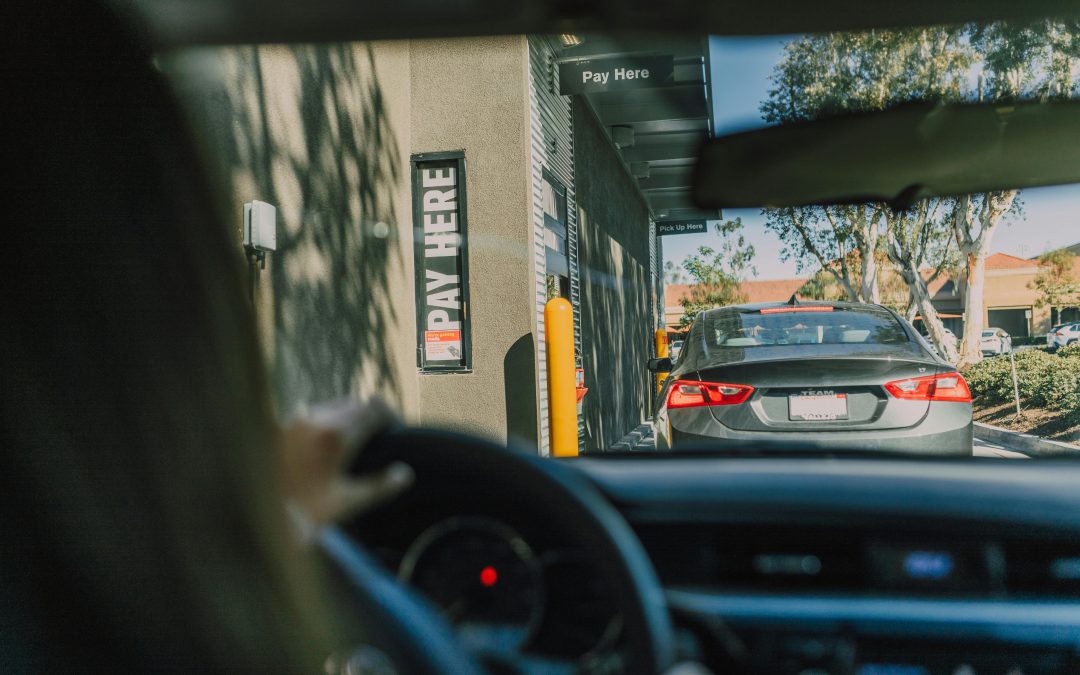
Physical design matters. We work closely with brands to ensure operations don’t conflict with other tenants. Thoughtful queue lane design, adequate stacking space, and smart traffic circulation prevent bottlenecks. When done right, the morning rush enhances the overall development.
The Rural Advantage
Some of our most successful coffee developments have been in smaller communities that national brands have historically overlooked. When Dutch Bros or Starbucks announces a location in a town of 15,000, it’s news. When Dutch Bros opened in Crescent City, customers lined up before dawn.
These openings create economic ripple effects. Property values rise. Other national brands reconsider these markets. Local entrepreneurs see opportunities. The coffee shop validates growth, which in turn attracts more growth.
There’s also value in providing consistency. A traveling salesperson can find familiar coffee. For residents who travel frequently, having these brands at home creates a connection to larger metro areas.
Looking Forward
The drive-thru coffee model continues to evolve. We’re seeing experimentation with smaller footprints that require less land and capital. Mobile ordering is changing traffic flow and efficiency. Some brands are testing dual-lane configurations that process twice as many customers during peak periods.
What hasn’t changed is the fundamental appeal: quality products, fast service, and a human connection delivered consistently. As developers, our job is to identify locations where these businesses thrive and enhance our communities.
The neighborhood coffee shop has been part of American culture for generations. What we’re witnessing is its adaptation to contemporary mobile, fast-paced, drive-thru culture. These businesses have become the new neighborhood anchors by successfully evolving to meet people where they are.
In commercial real estate, we talk about creating places that serve communities. The rise of drive-thru coffee has taught me that the most impactful community spaces aren’t always where people linger longest, but where they fit seamlessly into daily rhythms and create consistent touchpoints for connection. That’s development worth pursuing. https://lrecompanies.com/news-blog/