
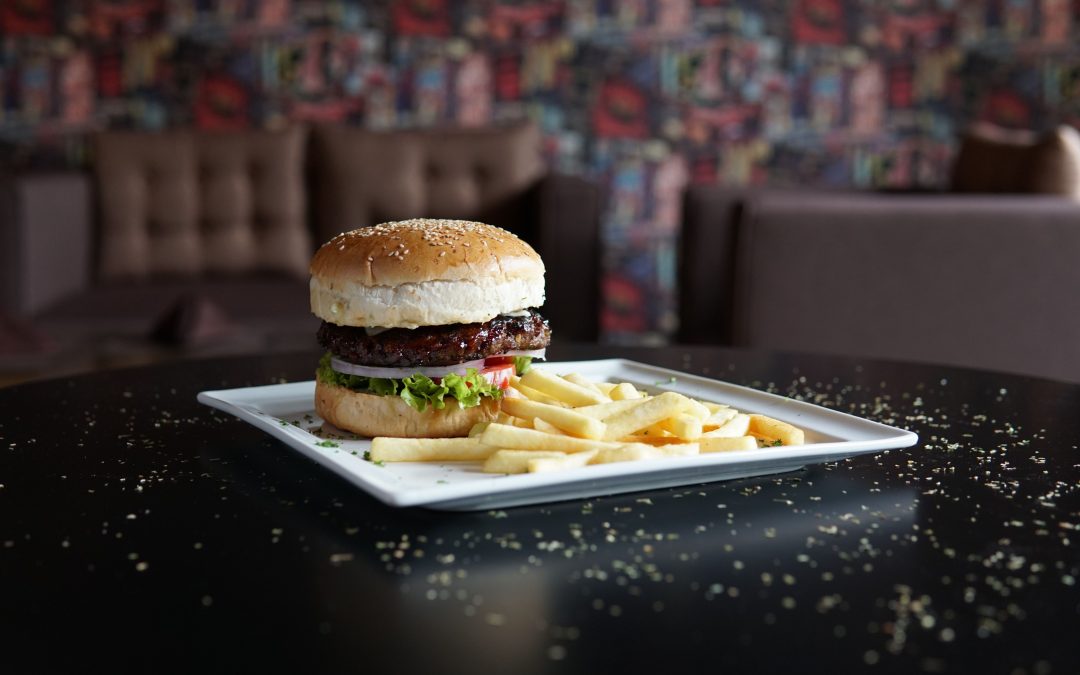
In retail real estate, exclusive use clauses serve a purpose. They prevent tenants from competing directly within the same center. For example, a burger restaurant prefers not to have another burger place open nearby. Similarly, a fried chicken brand would avoid sharing the project with another fried chicken business. This approach makes sense. Recently, some language used exclusively by QSRs has become excessively unreasonable.
Rather than focusing solely on genuine direct competitors, some restrictions also extend to any operator that sells even one or two overlapping menu items. For example, a coffee shop becomes problematic because it serves breakfast, a sandwich shop because it sells chicken, and a bakery because it offers coffee. Eventually, these restrictions cease to protect the tenant and begin to harm the shopping center as a whole.
That is not good real estate.
A successful retail center thrives on variety, convenience, and synergy. Customers don’t come because tenants are isolated; they visit for the range of options available. Whether it’s coffee in the morning, lunch during the day, dinner at night, or dessert, errands, or services, the center encourages repeat visits throughout the week.
That variety is what creates traffic.
For a developer, the aim goes beyond leasing space; it’s about crafting a trade area that benefits customers, tenants, and the community alike. The appropriate tenant mix enhances the entire project. For example, a morning coffee shop can generate daily foot traffic that boosts the burger restaurant. Similarly, a popular breakfast spot can attract customers who later come back for lunch or dinner. In a smaller residential area, this kind of consistent daily traffic is especially valuable.
Many local and regional operators lack the extensive national advertising budgets of larger QSR brands. Instead, they depend largely on location, visibility, repeat customers, and co-tenancy. When a shopping center features complementary tenants, it creates mutual benefits: increased car traffic, higher foot traffic, greater awareness, and more reasons for customers to return.
The issue arises when broad corporate decisions are made without sufficient input from those with direct knowledge of the local real estate, such as developers, local real estate representatives, brokers, franchisees, and operators familiar with the trade area.
A national template might be effective in one market but irrelevant in another. What appears to be a reasonable restriction on paper can hinder the most effective traffic driver for a neighborhood center. This can stop a complementary tenant from opening, decrease customer diversity, and ultimately weaken the overall project, including the tenant the restriction was meant to protect.
Exclusive-use language should be carefully crafted to protect against actual direct competition, not against every potential menu overlap. For example, there is a significant difference between a burger restaurant and a coffee shop that simply sells a breakfast sandwich. Similarly, a fried chicken concept differs substantially from a broader café, bakery, or breakfast-focused establishment.
The most successful retail projects stem from a deep understanding of the customer, not from fear of competition.
Consumers seek convenience, variety, and quality. They prefer locations where they can visit multiple times for different needs. Effective co-tenancy fosters energy, which in turn boosts sales.
QSR brands, franchisees, developers, and landlords should all share this goal. Safeguard the core use and prevent direct duplication, but don’t limit the uses that boost traffic, diversity, and long-term value.
In retail, having the right neighbor is beneficial; it helps everyone.